Introduction
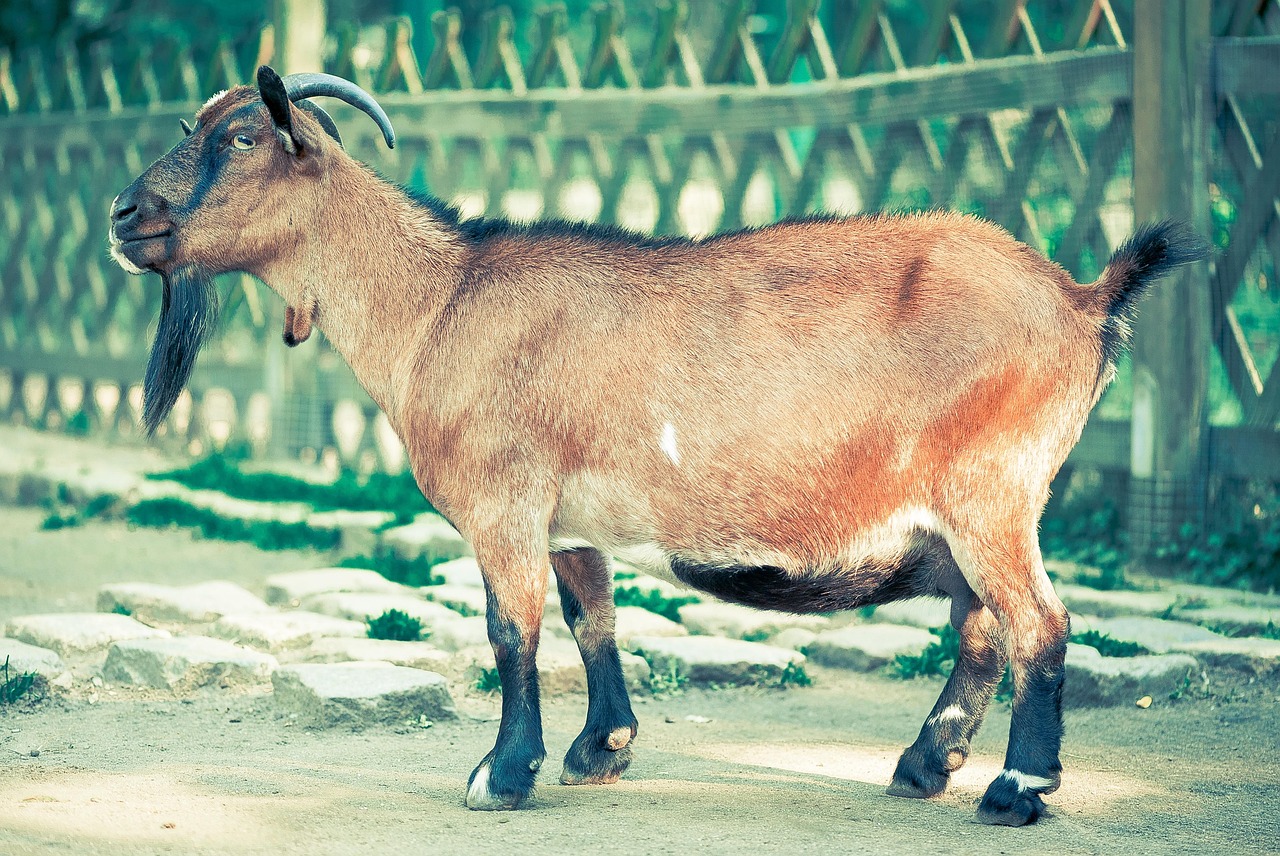
Goat farming in Jamaica is rapidly emerging as one of the most promising agricultural investment opportunities in 2026. Driven by strong local demand, cultural food preferences, and increasing interest in sustainable livestock systems, goats—especially meat goats—offer both short-term income potential and long-term scalability.
Whether you’re a first-time investor, a returning Jamaican looking to enter agriculture, or an experienced farmer exploring diversification, this guide will walk you through everything you need to know.
Why Invest in Goat Farming in Jamaica?
1. High Demand for Goat Meat
Goat meat (chevon) is a staple in Jamaican cuisine, particularly in dishes like curry goat. Demand consistently exceeds local supply, leading to regular imports. This supply gap creates a clear opportunity for local producers.
2. Climate Advantage
Jamaica’s tropical climate is ideal for goat rearing. Goats thrive in warm environments and are well-suited to the island’s terrain, especially in rural and hilly areas where other livestock may struggle.
3. Fast Reproduction Cycle
Goats reproduce quickly:
- Gestation period: ~5 months
- 1–3 kids per birth
- 2 breeding cycles per year (under good management)
This allows for relatively fast herd expansion and quicker returns compared to cattle.
4. Lower Startup Costs
Compared to other livestock industries, goat farming requires:
- Less land
- Lower feed costs (can graze and browse)
- Simpler housing structures
Popular Goat Breeds in Jamaica
Choosing the right breed is crucial for profitability.
Nubian (Anglo-Nubian)
- Excellent for meat and milk
- High fertility and adaptability
- Popular among Jamaican farmers
Boer
- Known for rapid weight gain
- Ideal for meat production
- Often crossbred with local goats
Jamaican Native (Creole)
- Highly resistant to local diseases
- Lower maintenance
- Smaller size but very hardy
Startup Requirements
1. Land
- Minimum: 0.5–1 acre for small-scale farming
- Ideal: Rotational grazing system to maintain pasture health
2. Housing
- Elevated pens (to reduce disease and parasites)
- Proper drainage and ventilation
- Separate areas for kids, pregnant does, and bucks
3. Feeding
- Natural forage (grass, shrubs, tree leaves)
- Supplement with:
- Protein feed
- Mineral blocks
- Clean water supply
4. Labor
- Small farms can be managed solo or with minimal help
- Larger operations require trained workers
Cost Breakdown (Estimated for 2026)
| Item | Estimated Cost (JMD) |
|---|---|
| 10 Goats (starter herd) | $150,000 – $300,000 |
| Housing & fencing | $100,000 – $250,000 |
| Feed & supplements (monthly) | $20,000 – $50,000 |
| Veterinary care | $10,000 – $30,000 annually |
Note: Costs vary depending on scale and location.
Revenue Potential
Income Streams:
- Sale of live goats (primary)
- Processed meat sales
- Breeding stock
- Manure (organic fertilizer)
- Goat milk (niche market)
Example:
A well-managed herd of 20 goats can produce:
- 30–40 kids per year
- Market price per goat: $15,000–$25,000 JMD
Potential annual revenue: $450,000–$1,000,000+ JMD
Government Support & Incentives
In 2026, Jamaican agriculture continues to benefit from:
- Subsidies on livestock inputs
- Training programs
- Access to agricultural loans
- Technical support from rural agricultural agencies
Investors are encouraged to connect with local agricultural extension offices for guidance and funding opportunities.
Risks and Challenges
1. Praedial Larceny (Theft)
A major issue in Jamaica:
- Invest in fencing
- Use farm security measures
- Build community partnerships
2. Disease Management
Common issues:
- Internal parasites
- Foot rot
- Respiratory infections
Solution:
- Regular veterinary care
- Proper sanitation
- Vaccination schedules
3. Climate Risks
- Droughts can affect feed availability
- Hurricanes may damage infrastructure
Mitigation:
- Store feed reserves
- Build resilient housing
Best Practices for Success
- Start small and scale gradually
- Keep detailed farm records
- Invest in good breeding stock
- Practice rotational grazing
- Network with other farmers
- Stay updated on market prices
Is Goat Farming in Jamaica Worth It in 2026?
Yes—if approached strategically.
Goat farming in Jamaica offers:
- Strong and consistent demand
- Manageable startup costs
- Scalable growth potential
However, success depends on:
- Proper planning
- Good farm management
- Understanding local challenges
Final Thoughts
Investing in Jamaican goat farming in 2026 is more than just an agricultural venture—it’s a pathway to sustainable income and food security. With the right approach, it can be both profitable and impactful.
If you’re serious about getting started, focus on building knowledge, starting lean, and scaling wisely. The opportunity is there—what matters is execution.
Want help creating a business plan or profit model for your goat farm? Let me know—I can build one tailored to your budget and goals.